About the experiment
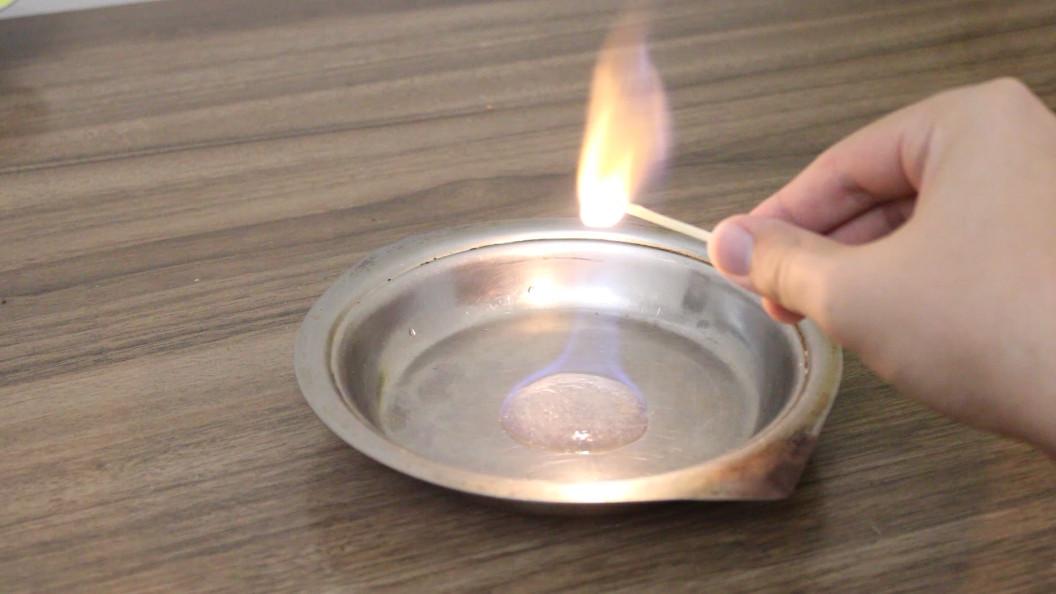
This experiment shows how difficult it can be to notice the flame of an alcohol-containing material under bright lighting.
The main flammable ingredient in alcohol-based hand gel is usually alcohol. During combustion, it can produce a pale blue flame that may sometimes appear almost invisible.
Alcohol-based hand gel and its vapors are flammable. Perform the experiment only under adult supervision, in a well-ventilated area, and away from flammable objects.
Never add hand gel to a plate that is already burning or still hot. The flame may be difficult to see even while the material is still burning.
Experiment
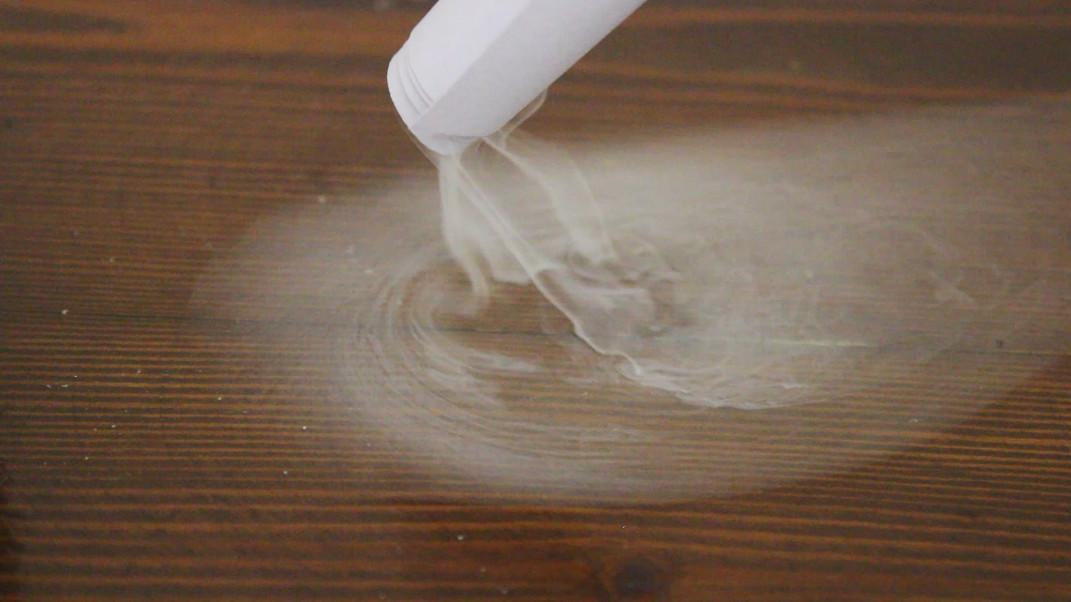
- Add a very small amount of alcohol-based hand gel to a heat-resistant plate.
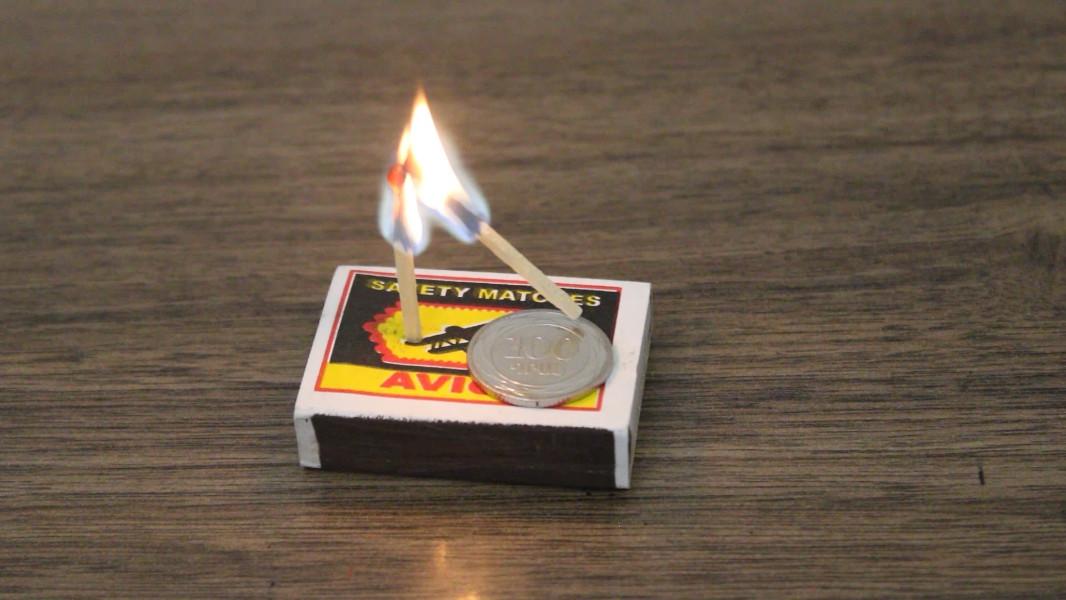
- With an adult's help, ignite it.
- Observe the flame with the room lights on.
- Without approaching the flame, compare how easy it is to see.
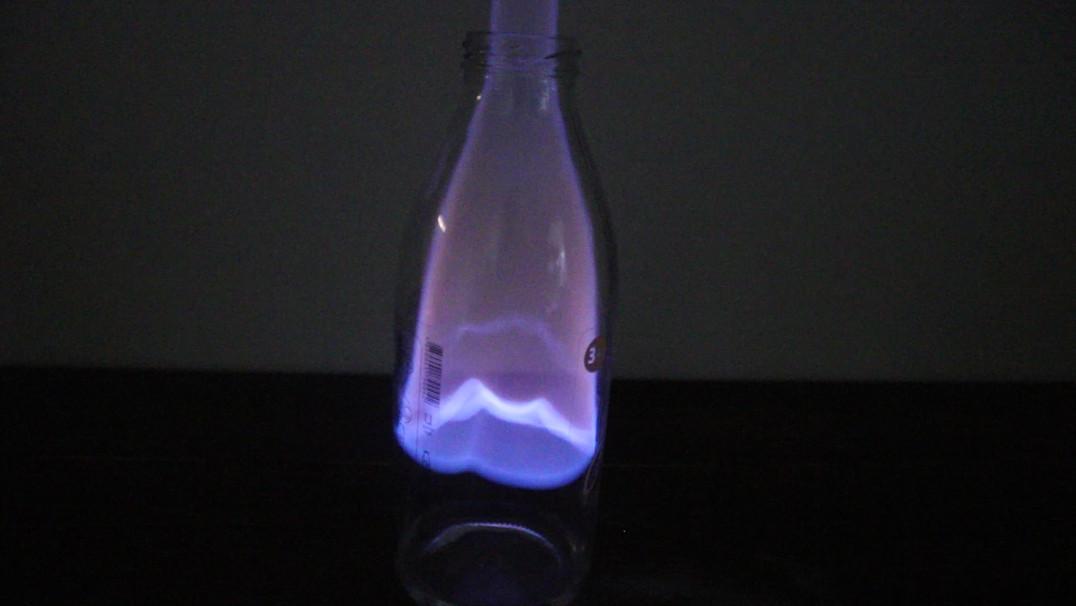
- Darken the room.
- Observe the flame again and compare its visibility.
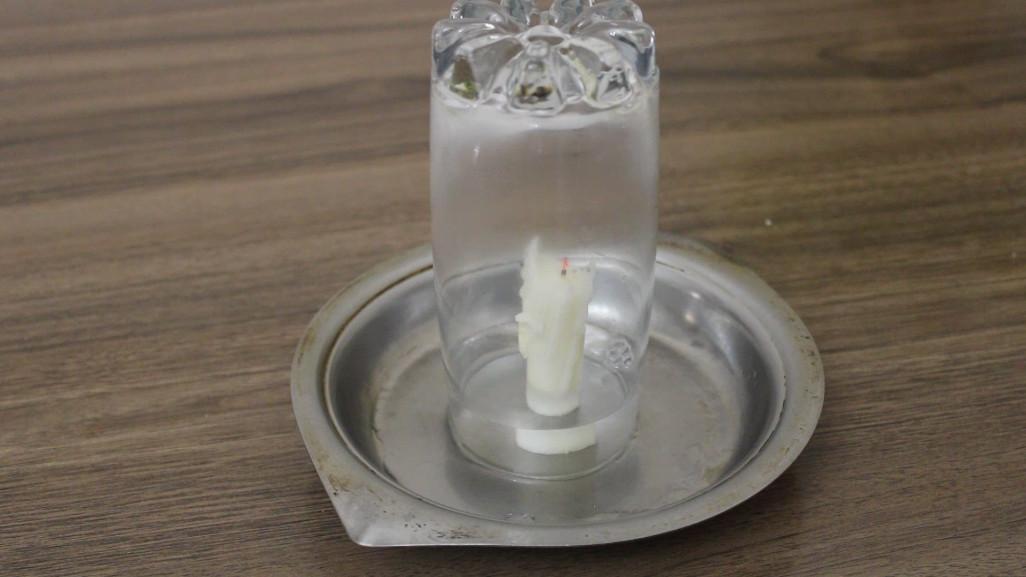
- After the experiment, make sure the fire is completely extinguished and the plate has cooled.
How does it work?
An ordinary yellow flame is often highly visible because hot soot particles in it emit strong light.
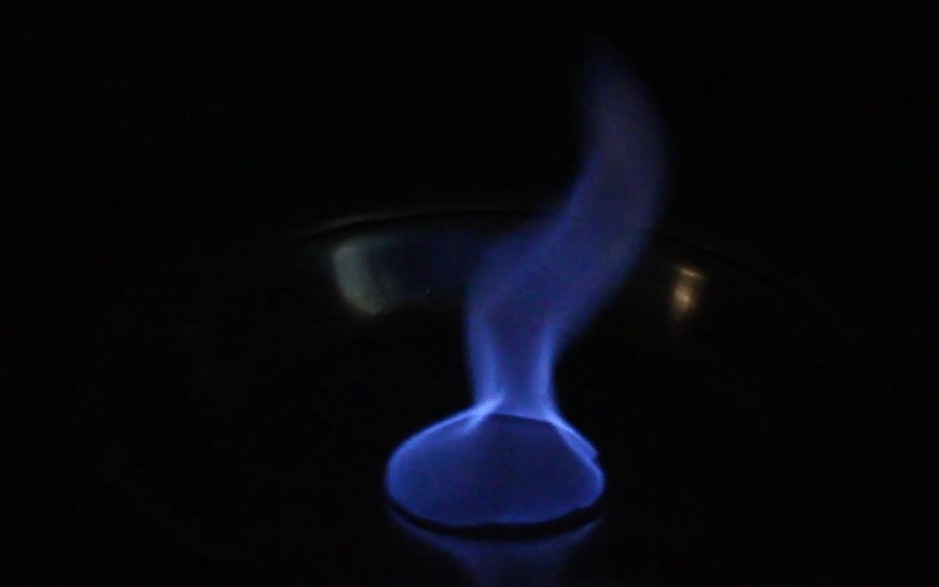
During relatively clean alcohol combustion, less soot is produced, and a significant part of the flame's light is in the blue region. This can make the flame appear much dimmer and paler.
In a brightly lit room, ambient light reduces the contrast between the flame and its background, making the flame harder to notice.
In darker conditions, contrast increases and the blue tint of the flame becomes much easier to see.
The name “Transparent Flame” is a visual description. The flame is not actually completely transparent; it may simply emit so little visible light that it becomes almost unnoticeable in a bright environment.
Example chemical reaction
If the main alcohol in the hand gel is ethanol, complete combustion can be represented as:
During combustion, part of the chemical energy is converted into heat and light.
Safety
- Do not perform the experiment without an adult.
- Do not touch the hand gel or plate while it is burning.
- Do not bring your face close to the flame.
- Do not add more hand gel until you are completely sure the fire is out and the surface has cooled.
- Keep an appropriate nonflammable lid or fire blanket nearby to cover the flame if needed.