About the experiment
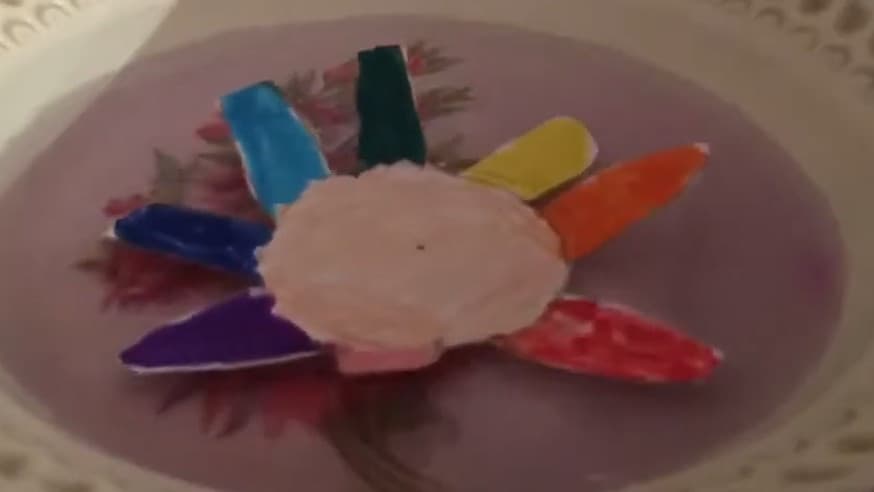
In this simple experiment, a closed paper flower placed on the surface of water gradually begins to open.
Experiment
- Use a compass to draw two circles on the paper.
- Draw flower petals around the circles.
- Color the flowers.
- Cut out the flowers with scissors.
- Fold the petals one by one toward the center of the flower.
- Pour enough water into a plate to cover its surface.
- Carefully place the folded flower on the water with the folded parts facing upward.
- Observe how the petals gradually open.
Don't have a compass? You can download our ready-made “Blooming Flower” template, print it, choose or color your preferred flower, then cut and fold it.
How does it work?
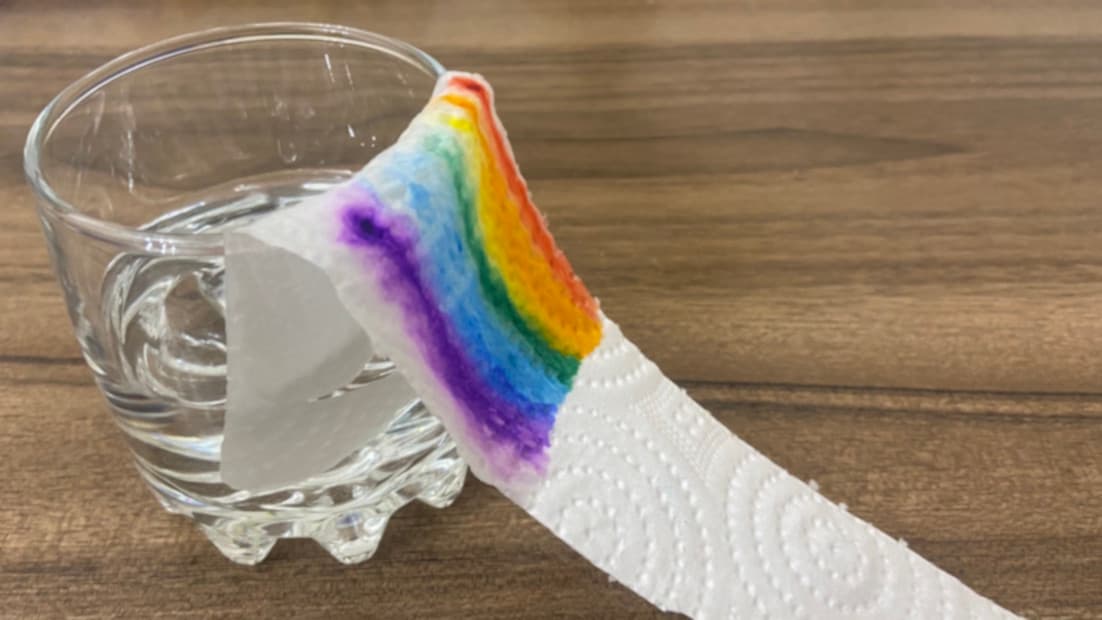
Paper is made of cellulose fibers. When the flower is placed on water, water enters the spaces between the fibers and spreads through the paper.
This process is aided by capillary action, which allows water to move through the tiny spaces in the paper.
As the paper absorbs water, its fibers swell and the mechanical properties of the paper change. The folded sections gradually loosen, causing the petals to move outward and the flower to “bloom.”
The flower is not actually growing or blooming like a living flower. The visible motion is caused by water absorption and changes in the paper's structure.
What can you test?
Try making flowers of different sizes or from different types of paper and compare how quickly they open. You can also change the number of petals or the folding pattern and observe how that affects the result.